Reliable Wildlife Removal Services: Addressing Wildlife Problems From Small Pests to Major Wildlife
Reliable wildlife removal services play a vital role in handling a wide range of animal intrusions, from common rodents to larger mammals like raccoons. Such services employ humane methods to provide safe and responsible capture and relocation. Furthermore, they evaluate properties to identify vulnerabilities and prevent future issues. Gaining insight into the details of this process highlights both the difficulties and effective solutions. What targeted approaches do these specialists apply to foster a sustainable relationship between humans and the natural world?
How to Detect Common Wildlife Intrusions
Recognizing typical wildlife invasions is essential for homeowners looking to keep a safe and comfortable living space. Evidence of wildlife intrusion can vary considerably according to the specific creature involved. For instance, homeowners may discover fecal matter, which can reveal the species causing the intrusion. Rodent feces are characteristically small and pellet-formed, while raccoon waste is noticeably larger and commonly contains traces of food.
Moreover, gnawed furniture, chewed wires, or compromised insulation often suggest rodent activity. Unusual noises, particularly at night may indicate larger mammals such as raccoons or opossums are in the area. Homeowners might also observe entry points, such as gaps around windows and doors or holes in walls, which allow passage to various animals. Tracks or paw prints in the yard can further help identify specific species. Spotting these signs as soon as possible can reduce the risk of significant infestations and structural damage.
The Value of Humane Wildlife Removal
Compassionate wildlife removal is critical not only for animal welfare but also for maintaining a balanced ecosystem. When wildlife encounters human habitats, it can lead to conflicts that may threaten both species. Using ethical methods ensures that animals are relocated safely without harm, protecting their natural role in the ecosystem.
Additionally, compassionate removal techniques support a harmonious relationship between humans and wildlife, enabling animals to maintain their natural behaviors. This strategy decreases the risk of future wildlife disturbances, as animals are not eliminated but rather guided to safer habitats.
Community perception also holds considerable importance; neighborhoods that advocate for humane methods often cultivate a healthier connection with native wildlife. Adopting humane techniques can improve the credibility of wildlife removal professionals, showcasing a devotion to responsible standards. Ultimately, prioritizing humane methods not only protects animal welfare but also contributes to healthier ecosystems for future generations.
Key Steps in Effective Wildlife Removal
Proper wildlife removal entails a structured process that emphasizes efficiency alongside safety. The initial step involves conducting a thorough assessment of the property to identify signs of wildlife activity and potential entry points. This evaluation allows professionals to determine the specific species present and the severity of the situation. Subsequently, utilizing humane trapping techniques ensures the safe capture of animals without causing harm.
Upon capture, the removal process involves relocating the wildlife to a appropriate habitat, in compliance with regional regulations. Once removal is complete, closing off entry points is necessary to deter future occurrences. This may involve fixing holes, adding protective screens, or applying repellents. To conclude, conducting a post-removal inspection verifies that the area is secure and free from any remaining wildlife. By adhering to these critical steps, wildlife removal services can successfully address concerns while maintaining a commitment to humane methods and ecological stewardship.
Effective Strategies to Prevent Wildlife Intrusion
Preventing wildlife intrusion calls for a forward-thinking approach that includes closing off access points, managing food sources, and upholding clean living spaces. By tackling these critical factors, homeowners can significantly minimize the likelihood of unwanted animal visitors. Putting these practices in place cultivates a safer and more secure living space.
Close Off Entry Points
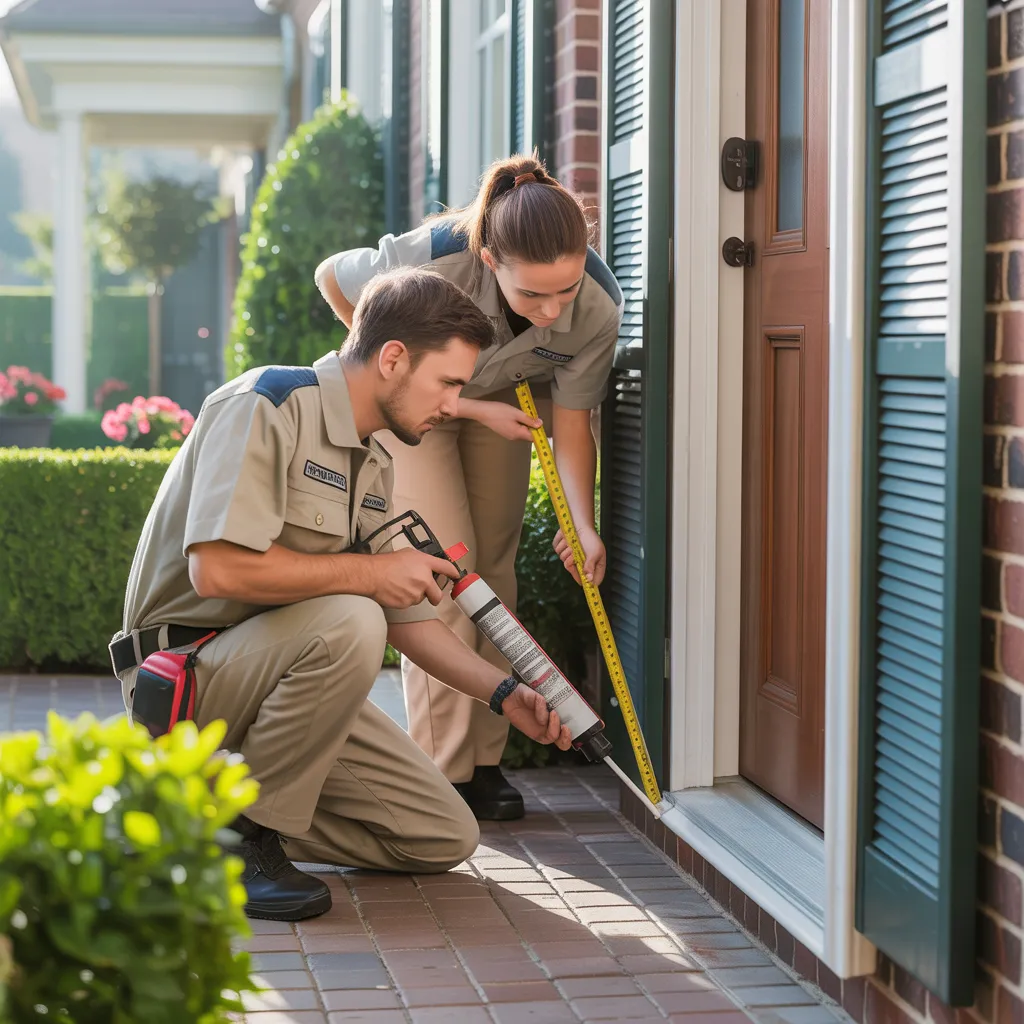
Many homeowners underestimate the significance of closing off entry points to discourage wildlife invasion. Effective wildlife removal starts with identifying and securing possible entry points. Cracks, gaps, and holes in walls, roofs, and foundations act as welcoming entry points for numerous creatures. Thoroughly checking these at-risk areas ensures that even tiny access points are taken care of. Supplies like metal mesh, caulk, and expanding foam can be employed to close off entry points with precision. Additionally, utility lines, vents, and chimneys need to be protected by chimney caps or screens to block unwanted entry. Regular maintenance checks are essential, as ongoing damage over time can lead to new access points. By proactively sealing entry points, property owners significantly lower the chances of wildlife intrusions and safeguard their homes.
Manage Food Sources
Properly handling food sources is key to preventing wildlife from encroaching on residential properties. Property owners need to adopt proactive strategies to get rid of attractants that lure animals in. This involves keeping pet food, birdseed, and waste sealed in airtight containers. Compost bins should be designed to minimize odors and be kept closed. Furthermore, dropped fruit from trees must be quickly cleared away, since it can draw in numerous types of wildlife. Vegetable patches and backyard grills demand routine care to avoid residual smells that may lure wildlife. By effectively managing these food sources, residents can greatly reduce the likelihood of wildlife encounters, fostering a safer living environment while protecting both the animals and the community.
Sustain Tidy Environments
A tidy environment considerably diminishes the chances of wildlife intrusion. Routinely upholding cleanliness in and around homes plays a vital role in deterring wildlife. This involves quickly removing trash, safely storing food supplies, and clearing away clutter that pests may use for nesting. Gardens should be kept tidy, with overgrown vegetation trimmed back to minimize hiding spots. Additionally, sealing entry points, such as gaps in walls and roofs, can further protect properties from intruding wildlife. Properly managing compost and ensuring that bird consult now feeders are maintained can also limit attracting unwanted visitors. By implementing these strategies, individuals can create an unwelcoming environment for wildlife, considerably lowering the likelihood of infestations and the need for professional removal services.

What to Consider When Choosing a Wildlife Removal Service?
When choosing a wildlife removal service, it's important to take into account their credentials and licenses to guarantee compliance with local regulations. Moreover, compassionate removal techniques should be a top concern, showcasing a devotion to ethical treatment of wildlife. These considerations not only ensure effective service but also promote sustainable wildlife practices.
Licensing And Certifications
Confirming that a wildlife removal service is appropriately credentialed and licensed is vital for effective and humane animal management. Each state has specific regulations overseeing wildlife control, making it essential to ensure that the service adheres to local laws. Certified professionals show a commitment to ethical standards and have the necessary training to handle various species responsibly. Credentials from reputable organizations can further reflect expertise in wildlife biology and humane removal techniques. Clients should inquire about the service's qualifications and ask for proof of credentials and licensing. Working with a reputable service not only assures compliance with legal standards but also increases the likelihood of responsible and effective wildlife removal outcomes.
Humane Removal Practices
Identifying a wildlife removal service that prioritizes ethical methods is important for both animal welfare and effective management. Homeowners should choose providers that use techniques that minimize harm and stress to wildlife. Such approaches include employing live traps for safe relocation as opposed to harmful methods. Additionally, a professional service will assess the situation to determine the species in question and their habits, delivering a personalized plan of action.
Clarity in operations is critical; organizations should transparently disclose their approaches and furnish records verifying conformity with local wildlife protection statutes. Furthermore, consider providers that deliver aftercare solutions, such as closing off entry points to guard against recurring infestations. Ultimately, compassionate removal methods demonstrate a dedication to responsible principles, harmonizing the welfare of wildlife with the concerns of property owners.
What You Should Expect After Wildlife Removal
Following wildlife removal, homeowners can anticipate a variety of changes in their residential environment. The surrounding area will likely become quieter, as the presence of animals is no longer audible. This newfound tranquility can enhance comfort and security within the home. In addition, the removal process typically involves a thorough inspection, which may identify possible entry points or damage resulting from the wildlife.
Residents can anticipate suggestions for repairs or precautionary steps to deter future invasions. Cleanup efforts may also be required, as pests can deposit waste or nesting remnants that present health hazards.
Moreover, some homeowners may need to modify their landscaping or outdoor storage practices to minimize attractants. All things considered, the results of wildlife removal encourages a safer, healthier living area, inspiring diligence and proactive actions to keep the environment free of wildlife.
Questions We Often Receive
What Is the Typical Cost of Wildlife Removal Services?
Wildlife removal services generally range in price from $100 to $500, depending on the species involved, the complexity of the situation, and regional pricing. Additional fees may apply for inspections or preventive measures.
Do Wildlife Removal Services Operate 24/7?
Many wildlife removal providers offer 24/7 service to manage critical situations. This means that homeowners can access prompt assistance for wildlife-related issues, day or night, thereby enhancing safety and peace of mind.
What Credentials and Certifications Are Required for Wildlife Removal Professionals?
Wildlife removal experts should possess licenses specific to their state, demonstrating compliance with regional requirements. Credentials covering humane animal trapping practices and the management of wildlife, along with instruction in established safety standards, strengthen their professional standing and guarantee effective, responsible animal handling.
Are Wildlife Removal Services Able to Handle Dead Animal Removal?
Wildlife removal services can indeed handle dead animal removal. Such professionals possess the skills and equipment necessary to safely remove deceased animals, providing proper disposal solutions and reducing the health risks that come with decomposition and disease spread.
How Long Does the Wildlife Removal Process Usually Take?
The process of wildlife removal usually requires anywhere from one to three hours according to how complex the situation is. Elements such as the species of animal, the site, and the equipment needed may considerably impact how long the process takes.